
In the ever-evolving landscape of technology, one concept that has been gaining significant traction is the digital twin. This innovative technology is not just a static 3D model, but a dynamic, data-rich representation of a physical asset or environment. Here’s a deep dive into what digital twins are, how they work, and their profound impact on industries such as construction, manufacturing, and beyond.
What is a Digital Twin?
A digital twin is essentially a digital representation of a physical asset or environment, such as a car, a bridge, or a building. It is more than just a traditional 3D model; it is an information model that spans every phase of an asset’s lifecycle, from design to manufacturing, construction, operation, and maintenance, even to its future use or reuse.
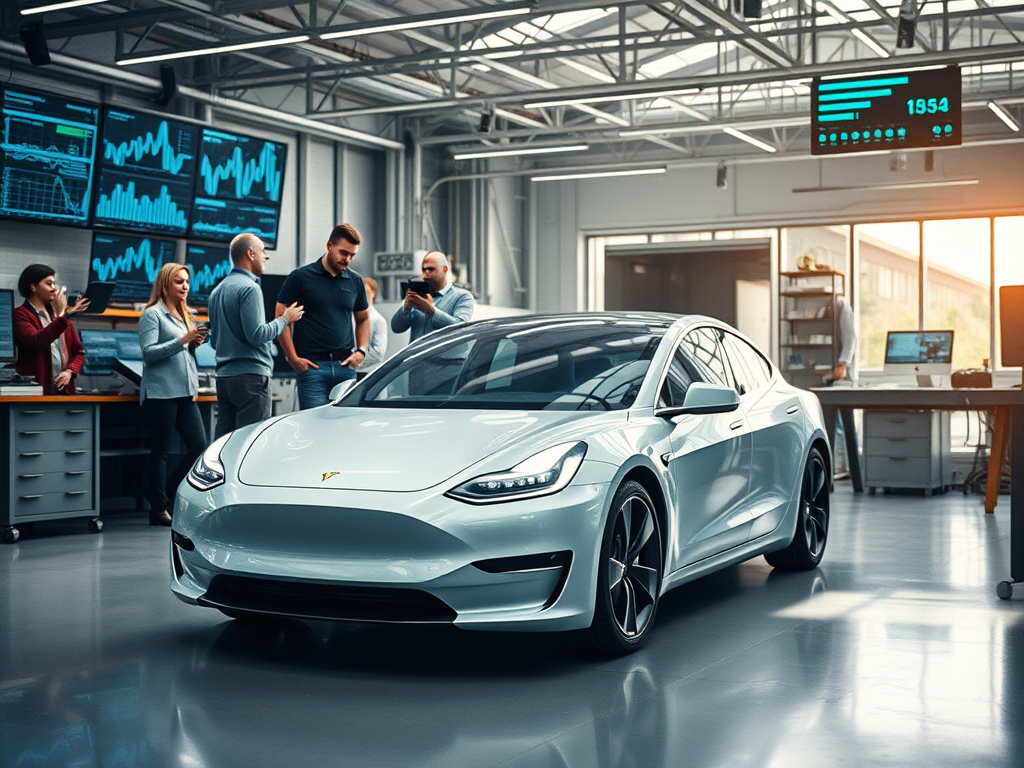
Unlike static data models, digital twins are dynamic, “living” entities that evolve in real time. They learn, update, and communicate with their physical counterparts by exchanging data throughout the asset’s lifecycle using AI, machine learning, and IoT technologies. This real-time data exchange allows users to gain valuable insights into the performance of the physical asset, enabling them to predict and prevent issues before they occur.
How Do Digital Twins Work?
The creation of a digital twin begins at the project-planning stage. As the project proceeds, data is continually collected and mapped to the model. This data includes operational information for systems such as HVAC, mechanical, electrical, and plumbing (MEP), as well as parts and maintenance data, and environmental data collected through IoT sensors.
For instance, in the construction industry, a digital twin is created at the outset of a project. AEC teams and owners work together to define performance goals and desired outcomes. Once the asset is handed over to the owner, the virtual twin collects operational data that can be used to fine-tune performance and manage maintenance over the long term.
The integration of IoT data is crucial here. Sensors embedded in the physical asset provide real-time data, which is then placed within the context of the virtual replica. This allows users to track the facility’s performance, monitor maintenance requirements, and resolve operational issues efficiently.
Benefits of Digital Twins in Construction
Digital twins offer a multitude of benefits in the architecture, engineering, and construction (AEC) industry. Here are some of the key advantages:
- Enhanced Project Outcomes: By creating a digital replica before embarking on the physical construction, teams can increase the likelihood of achieving their desired project outcomes. This includes better design, reduced errors, and improved project timelines.
- Real-Time Monitoring and Maintenance: Digital twins enable real-time monitoring of the physical asset, allowing for predictive maintenance. This can help in identifying potential issues before they become major problems, reducing downtime and maintenance costs.
- Optimized Operations: With the ability to analyze both live and historic data, digital twins help in optimizing the operations of a facility. This includes energy efficiency, water consumption, and overall system performance.
- Improved Sustainability: Digital twins can help in building more sustainably and developing more energy-efficient facilities. They provide insights into material usage and system performance, aiding in the achievement of green ambitions.
- Maximized ROI: For building owners and operators, digital twins help in maximizing the return on investment by optimizing operations and reducing operational costs.
Components of a Digital Twin
A successful digital twin requires several key components:
- BIM Data: Building Information Modeling (BIM) data is a critical component of a digital twin. It provides the detailed design and construction information that forms the basis of the virtual model.
- IoT Data: IoT sensors collect real-time data from the physical asset, which is then integrated into the digital twin. This data includes operational, sensory, and environmental information.
- AI and Machine Learning: These technologies enable the digital twin to learn and update in real time, providing predictive analytics and simulations that help in decision-making.
- Common Data Environment (CDE): A CDE ensures that all data is centralized and accessible, avoiding data silos and duplicate information. This provides a single source of truth for all stakeholders involved.
Challenges and Considerations
While digital twins offer numerous benefits, there are also several challenges and considerations to keep in mind:
- Technological Challenges: Implementing digital twin technology requires advanced computing power, connectivity, and data storage capabilities.
- Monetary Challenges: The initial investment in digital twin technology can be significant, although long-term cost savings and improved efficiency can offset these costs.
- Cultural and Industry Structure Challenges: Adopting digital twin technology often requires a cultural shift within an organization and may necessitate changes in industry practices and standards.
- Data Accuracy and Maturity: The value of a digital twin is only as good as the data it is based on. Ensuring that the BIM data is mature and accurate is crucial for the success of the digital twin.
Real-World Examples of Digital Twins
Digital twins are being used in various industries to solve complex problems and improve operations. Here are a few examples:
- Veolia Water: Veolia Water is transforming its municipal water infrastructure into a full-fledged digital twin, including real-time performance data. This helps in assessing the feasibility of their work and optimizing operations.
- White Arkitekter: This Swedish architectural firm is using BIM data and digital twins to help the industry move towards a circular economy. Their ReCapture service catalogs building components and assesses their reuse potential using drones and laser scanning.
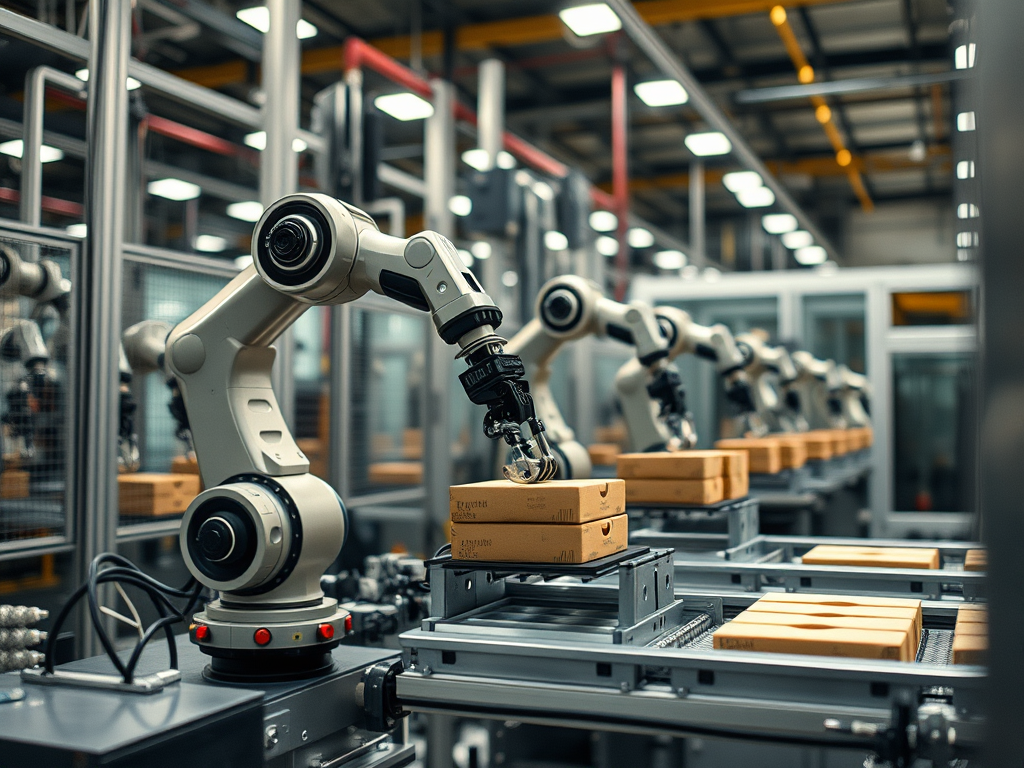
- ANDRITZ: The specialist machinery manufacturer ANDRITZ uses digital twins to optimize paper production processes. This includes conserving resources and anticipating production and supply-chain issues before they occur.
- Herzog & de Meuron: The architects and engineers at this Swiss firm use digital twins to give stakeholders a virtual tour of the building’s model, even during construction. Once the building is complete, the digital twin is used for predictive maintenance and monitoring energy and water consumption.
Future of Digital Twins
The adoption of digital twin technology is on the rise, driven by advancements in AI, IoT, and computing power. The global digital-twin market is expected to grow significantly, with predictions suggesting it will reach $48.2 billion by 2026.
In the construction industry, digital twins are becoming essential for every phase of design, construction, and operations. As the industry continues its digital transformation, forward-thinking firms are embracing the idea that these virtual twins will be crucial for future success.
Digital twins operate at various levels of sophistication, from simple data integration to advanced autonomous models. The most advanced models can simulate real-world conditions, predict future outcomes, and even act autonomously to optimize performance.
Conclusion
Digital twins represent a significant leap forward in how we design, build, and manage physical assets. By bridging the gap between the physical and digital worlds, these virtual replicas offer unparalleled insights and capabilities. Whether it’s optimizing operations, predicting maintenance needs, or enhancing sustainability, digital twins are poised to revolutionize industries and transform the way we work.
As technology continues to evolve, the potential of digital twins will only grow. For those looking to stay ahead of the curve, embracing this technology now could be the key to unlocking new levels of efficiency, sustainability, and profitability.

Leave a Reply